If you’ve found yourself staring in the mirror wondering, “What happened to my skin?” or questioning whether you might have fungal acne, you’re in the right place.
When I first started researching fungal acne, I was surprised by how confusing the information was. Although it can look a lot like regular acne, it isn’t treated the same way. This can be incredibly frustrating when your usual skincare routine suddenly seems to stop working.
By the end of this guide, you’ll understand what fungal acne is, what causes it, how it’s different from regular acne, and the signs that may point to it so you can feel more confident about your next steps.
Quick Summary
- Fungal acne is caused by an overgrowth of yeast, not bacteria.
- It often appears as small, uniform bumps that may feel itchy.
- Traditional acne treatments may not work because they don’t target the underlying yeast overgrowth.
- Antifungal ingredients and a fungal acne-safe skincare routine are often more effective than traditional acne treatments.
What is Fungal Acne?
Despite its name, fungal acne isn’t actually acne. It’s a skin condition, medically known as Malassezia folliculitis, caused by an overgrowth of a naturally occurring yeast called Malassezia.
Yeast? Yeah, that surprised me too.
Malassezia naturally lives on everyone’s skin, so the problem isn’t that you have it. Instead, the problem occurs when it grows more than it should. When that happens, it can inflame your hair follicles and create small, acne-like bumps.
Because fungal acne can look so similar to regular acne, many people spend months treating it like regular acne. The problem is that fungal acne and regular acne have different causes, so they often require different treatments. Products that work well for traditional acne aren’t designed to address an overgrowth of yeast, which is why they don’t always help.
The encouraging news is that once you understand what’s causing your breakouts, fungal acne is often very manageable. In the sections below, we’ll walk through what causes it, how to recognize it, and what treatment options may help.
What Causes Fungal Acne?
If Malassezia naturally lives on everyone’s skin, you might be wondering: why does it suddenly become a problem?
The short answer is that certain conditions can create an environment where Malassezia is more likely to overgrow. Here are some of the most common factors that can contribute to fungal acne flare-ups:
Warm, humid weather
If your skin seems to flare up every summer but calms down during cooler months, you’re not imagining it. Malassezia thrives in warm, humid environments.
Sweat and trapped moisture
Sweat itself isn’t the problem. The issue is leaving sweat on your skin for long periods of time, which creates a warm, damp environment where Malassezia can grow more easily. Tight or non-breathable clothing can make this worse by trapping heat and moisture, making flare-ups more likely, especially on the chest, shoulders, and back.
Heavy or rich skincare products
This doesn’t mean every rich moisturizer is a problem. However, if your breakouts seem to worsen after using them, they may be contributing to an environment where yeast can thrive.
Recent antibiotic use
If your bumps appeared after taking antibiotics, the timing may not be a coincidence. Antibiotics can disrupt the balance of microorganisms on the skin, allowing Malassezia to overgrow in some people.
Having one or more of these risk factors doesn’t mean you’ll develop fungal acne. In fact, plenty of people experience these things without ever dealing with it.
Instead, think of them as factors that can make fungal acne more likely, not guaranteed causes.
How Is Fungal Acne Different from Regular Acne?
This is what makes fungal acne so frustrating. At first glance, it can look a lot like regular acne, so many people assume those tiny bumps are simply clogged pores or a stubborn breakout. That was my assumption too.
The biggest difference isn’t how they look—it’s what’s causing them.
Regular acne develops when excess oil, dead skin cells, bacteria, and inflammation clog your pores. Fungal acne, on the other hand, is caused by an overgrowth of Malassezia yeast.
That distinction matters because what works for one doesn’t always work for the other. If you’ve been using your usual acne products without seeing much improvement, you may be treating the wrong condition.
At a glance, here’s how fungal acne and regular acne compare:
| Feature | Fungal Acne | Regular Acne |
|---|---|---|
| Cause | Overgrowth of Malassezia yeast | Excess oil, dead skin cells, bacteria, and inflammation |
| Appearance | Small, uniform bumps that often appear in clusters | A mix of blackheads, whiteheads, pimples, and blemishes of different sizes |
| Itchiness | Often itchy | Usually not itchy |
| Location | Forehead, hairline, chest, shoulders, and upper back | Most commonly on the face, thought it can also appear on the chest and back |
| Triggers | Heat, humidity, sweating | Hormones, excess oil, clogged pores |
| Treatment | Antifungal treatments | Traditional acne treatments |
If there’s one takeaway from this comparison, it’s that similar-looking breakouts don’t always have the same cause.
Understanding what’s actually causing your breakouts is the first step toward finding the right treatment. Keep in mind that this comparison is meant to be a general guide. It’s also possible to have both fungal acne and regular acne at the same time, so your skin may not fit neatly into just one category.
Signs You May Have Fungal Acne
If you’re still wondering whether your breakouts could actually be fungal acne, here are a few of the most common signs people notice.
While none of these signs can diagnose fungal acne on their own, noticing several of them together may help explain why your breakouts aren’t responding the way you expected.
The bumps seemed to appear all at once
One thing people often notice is that the bumps seem to show up much more suddenly than regular acne. Instead of getting the occasional pimple over time, you may suddenly notice an area covered in tiny bumps that wasn’t there before.
The bumps look almost identical
Unlike regular acne, which usually includes a mix of blackheads, whiteheads, and larger pimples, fungal acne tends to look much more uniform. The bumps are often small, closely grouped together, and similar in size.
They’re itchy (or become itchy after sweating)
Not everyone experiences itchiness, but it’s one of the biggest clues that fungal acne may be the cause of your breakouts. If your bumps seem itchier than your usual acne, especially after working out or spending time in the heat, that may be another clue.
They’re mostly on your forehead (but not always)
The forehead is one of the most common places for fungal acne to appear, but it can also develop along the hairline, chest, shoulders, and upper back. If you’re noticing the same tiny bumps keep returning in these areas, fungal acne may be worth considering.
Nothing you’ve tried seems to be working
For me, this was one of the biggest clues. If you’ve been reaching for your usual spot treatments, pimple patches, or acne products but the bumps aren’t getting any better, it may be because you’re treating them like regular acne when they’re actually caused by something different.
If this sounds familiar, you’re not alone. I spent months trying different products before finally realizing I wasn’t dealing with regular acne at all. You can read exactly what happened, including the mistakes I made, my dermatologist visit, and what finally helped, in My Fungal Acne Journey.
How to Treat Fungal-Acne
The good news is that fungal acne is often very manageable once you know what you’re dealing with. Because fungal acne is caused by an overgrowth of yeast rather than bacteria, treating it looks a little different than treating traditional acne. Here’s where to start:
Start with an Antifungal Treatment
- Antifungal treatments target the yeast that’s causing the problem.
- One of the most commonly recommended over-the-counter treatments is ketoconazole shampoo (Nizoral). Even though it’s sold as a dandruff shampoo, many people use it as a short contact treatment by leaving it on for a few minutes before rinsing it off.
If over-the-counter treatments aren’t helping, a dermatologist may recommend prescription antifungal creams or oral medications, depending on your individual situation.
Whether you’re trying an over-the-counter treatment or a prescription medication, patience is important.
It’s tempting to try everything at once, but introducing one new treatment at a time makes it much easier to tell what’s actually helping. Improvement takes time, so give each new treatment a fair chance before deciding whether it’s effective.
Helpful Tool
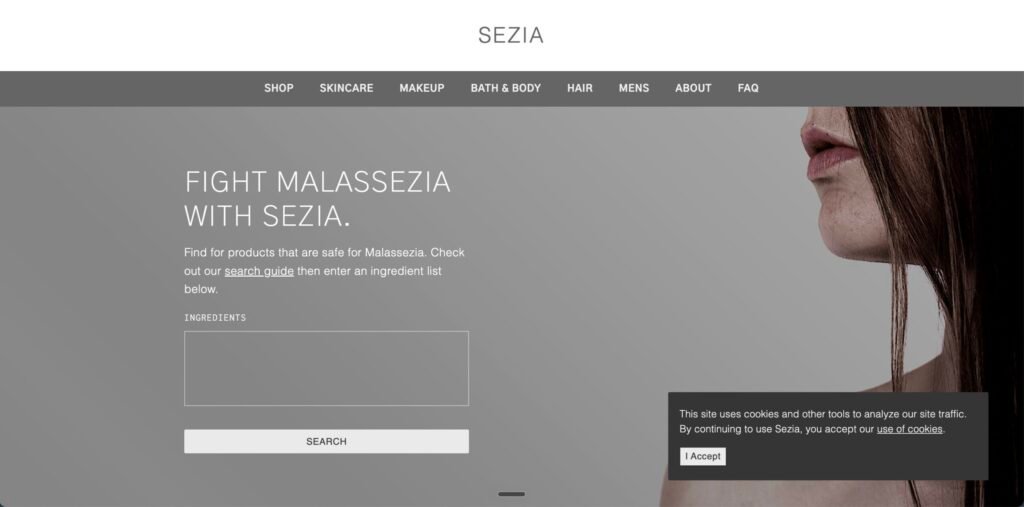
If you’re unsure whether a product is fungal acne-safe, ingredient checkers like Sezia can help you identify ingredients that may trigger fungal acne.
Build a Fungal-Acne Safe Routine
Once you’ve started treating the yeast overgrowth, the goal is to keep the rest of your routine simple and gentle. A few well-chosen products are often more helpful than constantly trying new ones.
Cleanser
Choose a gentle cleanser that cleans your skin without leaving it feeling tight or irritated.
Treatment
This is the step that targets the yeast causing fungal acne. Many people start with an over-the-counter antifungal treatment such as ketoconazole shampoo (Nizoral), using it as directed or as recommended by their dermatologist. If your breakouts aren’t improving, a dermatologist may recommend a prescription antifungal cream or oral medication instead.
Moisturizer
Hydration is still important. Choose a lightweight moisturizer that keeps your skin hydrated without triggering your breakouts.
Sunscreen
Don’t skip sunscreen. The best sunscreen is one you’ll wear consistently and that doesn’t seem to trigger your skin.
If you’re looking for specific product recommendations, I share the exact products I currently use, how I layer them, and why I chose each one in My Fungal Acne Skincare Routine.
Habits That Can Help Reduce Future Flare-Ups
Change out of sweaty clothes
If possible, change into dry clothes after exercising to help reduce the amount of time sweat stays on your skin.
Shower after exercise when possible
Showering after exercise can help wash away sweat and reduce the warm, moist conditions where yeast tends to thrive.
Wear breathable fabrics
When possible, choose breathable fabrics to help reduce heat and trapped moisture, especially during warmer months.
Avoid constantly switching products
It can be tempting to completely overhaul your routine overnight, especially when you’re frustrated. In reality, changing one product at a time makes it much easier to tell what’s helping and what’s not.
Learn your skin’s patterns
One of the most helpful things you can do is pay attention to your own skin. Over time, you may notice that your breakouts tend to flare up during hot, humid weather, after taking antibiotics, or after long days of sweating. Looking for patterns can help you better understand what your skin responds to.
Frequently Asked Questions
Can you have fungal acne and regular acne at the same time?
Yes. It’s completely possible to have both fungal acne and traditional acne at the same time. Since they’re caused by different underlying factors, a routine that helps one may not fully address the other.
Does fungal acne go away on its own?
Sometimes, but not always. Mild cases may resolve on their own, especially if the conditions that triggered the flare-up change. However, many people find that fungal acne continues to come back until it’s treated with anti-fungal ingredients or prescription medication.
Is fungal acne contagious?
No. Fungal acne isn’t contagious, so you can’t catch it from someone else or pass it on through skin-to-skin contact.
The yeast (Malassezia) that causes fungal acne naturally lives on everyone’s skin. Fungal acne develops when that yeast overgrows, not because it’s spread from another person.
Can moisturizer make fungal acne worse?
Not necessarily. Moisturizing is still an important part of a healthy skincare routine. That said, some rich products may not work well for skin that’s prone to fungal acne. If you suspect a moisturizer is making your breakouts worse, try switching to a lighter, fungal acne-safe option and see how your skin responds.
How long does fungal acne take to clear?
It varies from person to person, but many people notice improvement within 3 to 5 weeks of using appropriate anti-fungal treatments consistently.
More stubborn cases can take longer, especially if prescription medication is needed. If you haven’t noticed any improvement after several weeks, it’s worth checking in with a dermatologist.
Can fungal acne come back?
Yes. Even after it clears, fungal acne can return if the conditions that contributed to the flare-up come back, such as prolonged sweating, hot and humid weather, or other individual triggers.
The good news is that once you understand what tends to trigger your skin, it’s often much easier to recognize future flare-ups and manage them early.
Final Thoughts
If there’s one thing I hope you take away from this guide, it’s that not every breakout is traditional acne.
Whether you’ve been dealing with stubborn bumps that won’t go away or a routine that suddenly stopped working, I hope this guide helped you better understand what might be causing your breakouts. Whether they turn out to be fungal acne or something else, understanding what’s really causing them is the first step toward finding the right treatment.
Looking back, one of the biggest lessons I learned was to pay attention when something changes. You know what’s normal for your skin, and if your usual routine suddenly stops working, it’s worth asking questions and staying curious rather than assuming you just have to live with it.
I hope this guide made something that once felt confusing a little easier to understand and helped you feel more confident about what to try next.
Continue Exploring
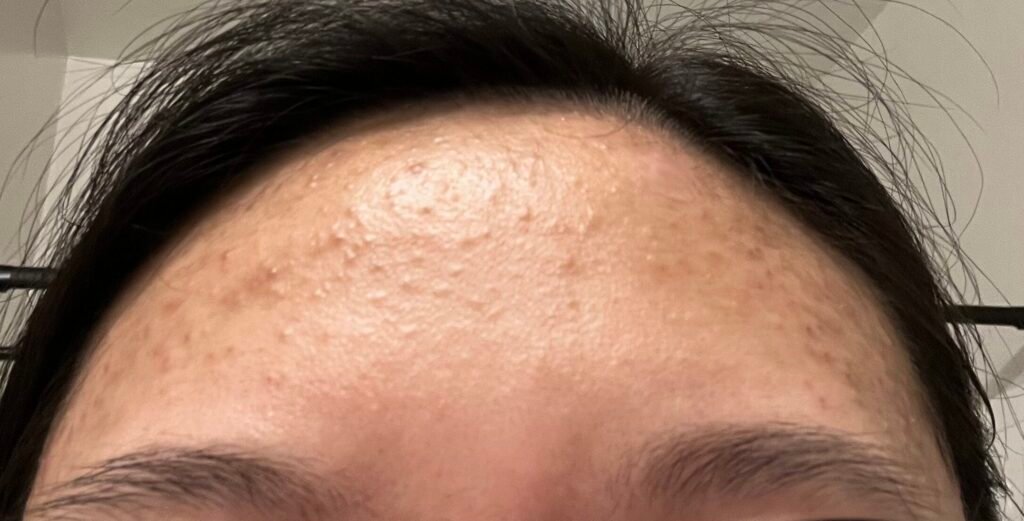
My Fungal Acne Journey
How I finally realized I had fungal acne, the mistakes I made, and what ultimately helped my skin improve.
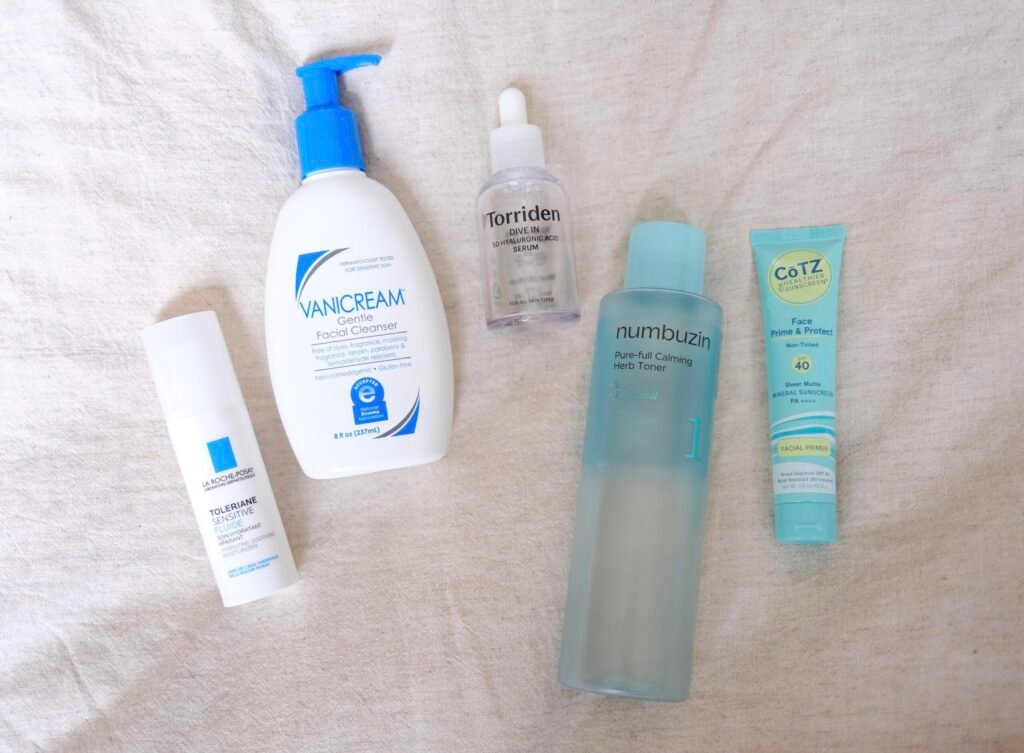
My Fungal Acne Skincare Routine
The exact products I use every morning and evening, how I layer them, and why each one has earned a permanent place in my routine.